

Power Spot Fortune Tour in Osaka! A Cultural Experience Plan with Street Kart
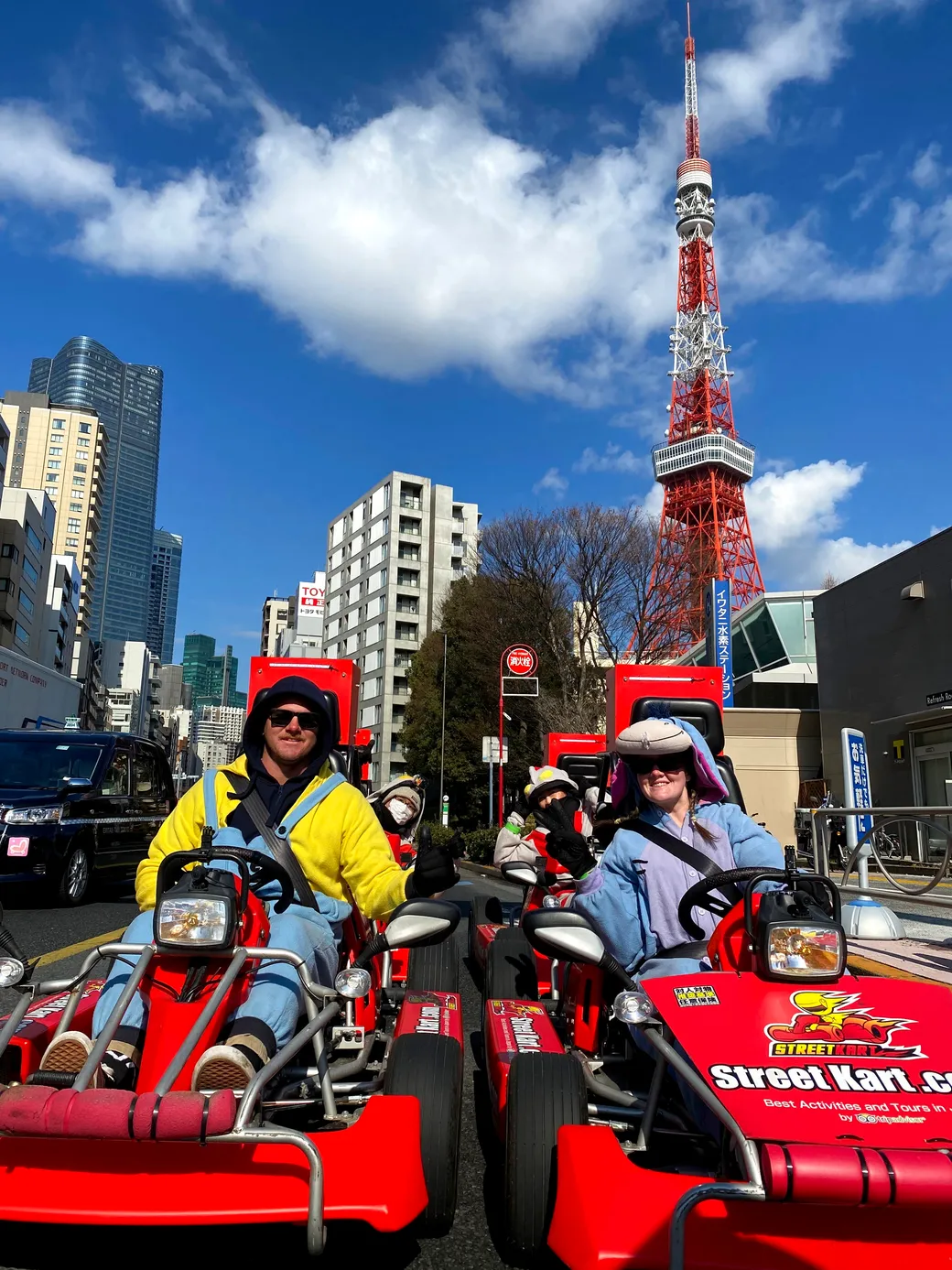
Sitting at a red light, the driver in the car next to me pulls out their phone and starts snapping photos. I wave, and they flash a big smile and wave right back. When you’re cruising through Osaka in a go-kart, moments like these happen over and over again. Honestly, this kind of closeness with strangers might be one of Osaka’s greatest charms.
Osaka is home to countless power spots where people have been offering prayers for centuries. Business prosperity, romantic connections, academic success—each of these sacred places has drawn worshippers carrying their own personal wishes for hundreds of years. Combine a tour of Osaka’s fortune-boosting spots with the thrill of a street kart adventure, and you’ve got yourself an unforgettable day. This guide is for travelers who love cultural experiences, showing you how to pair Osaka’s power spots with a street kart ride for the ultimate day out.
The Magic of Osaka’s Fortune-Boosting Power Spots
When it comes to Osaka’s power spots, Sumiyoshi Taisha is the first name that comes to mind. It’s the head shrine of roughly 2,300 Sumiyoshi shrines across Japan, with over 1,800 years of history. The arched Sorihashi Bridge is said to purify you of impurities just by crossing it, and when you actually climb that steep arch, you think, “Yeah, I definitely feel something cleansing happening here.” In the States, you might go to church, but the idea of being purified by walking over a bridge? That’s not really a thing—so this aspect of Japanese spirituality feels incredibly fresh. Sumiyoshi Taisha enshrines the gods of the sea and is known for blessings related to safe voyages and business prosperity. It makes you wonder if this shrine played a role in Osaka’s rise as a merchant city.
Another must-visit is Shitennoji Temple. Founded by Prince Shotoku in 593 AD, it’s the oldest state-built temple in Japan. Step inside the grounds and the city noise melts away like magic. Walking through the corridors while gazing up at the five-story pagoda feels like you’ve been transported 1,400 years into the past. The flea market held on the 21st and 22nd of every month is like a treasure hunt filled with antiques and vintage clothing—it’s a huge hit with international visitors too. The locals call it “Odaishi-san,” and the way the neighborhood aunties call out in Osaka dialect, “I’ll give you a good deal on this!”—it’s just the best vibe.
Hidden Fortune Spots in the Namba Area
In terms of sheer impact, Namba Yasaka Shrine might be the most jaw-dropping spot in all of Osaka. The massive Lion Stage (Shishi-den) in the shrine grounds is a stage shaped like a lion’s head, standing 12 meters tall and 11 meters wide. The first time I saw it, I was literally speechless. Legend has it that this lion swallows evil spirits with its enormous mouth and draws in good fortune for victory. You’ll often see students before exams and business professionals praying here with winning on their minds. It’s incredibly photogenic too—post it on social media and you’re guaranteed to get flooded with “What is THAT?!” comments. For English hashtags, try #NambaYasaka or #OsakaShrine, and in Japanese, #難波八阪神社 and #大阪パワースポット are the go-to tags.
Within walking distance is Imamiya Ebisu Shrine, another essential fortune spot in Osaka. Affectionately known as “Ebessan,” this shrine has been deeply revered by Osaka’s merchants as the god of business prosperity. During the annual Toka Ebisu festival in January, roughly one million visitors pour in over just three days. The sight of Osaka locals chanting “Business prosperity! Bring your bamboo branches!” with incredible energy has a completely different kind of excitement from, say, Black Friday in the U.S.
Why Street Kart is the Go-To Choice
Pairing a street kart experience with your power spot tour—either before or after—is an absolute blast. Here’s why Street Kart has won over so many travelers.
First and foremost, the track record is incredible. They’ve conducted over 150,000 tours, with more than 1.34 million customers to date. The average rating sits at 4.9/5.0★ across 20,000+ reviews. Honestly, when I first heard those numbers, I thought, “Really, that many?” But once you actually try it, it all makes sense. The thrill of zooming through Osaka’s streets from that low vantage point is something you simply can’t get from a bus or taxi.
A standout feature of Street Kart is that tours are led by guides trained to work with international drivers—an industry first. This means you can enjoy the experience without any language barriers. Communication is in English, so there’s no stressing about directions, and when you point at a building and ask “What’s that?”—you get an answer right then and there. When recommending it to friends, being able to say “Don’t worry, it’s all in English” is a huge selling point.
Safety is taken seriously too. Before the tour, there’s a thorough briefing covering kart operation and traffic rules. I was nervous at first, but the guide rides ahead of you, so all you have to do is follow along and the route takes care of itself. Since you’re driving on public roads, you need to follow the same traffic laws as regular vehicles, but the guide’s attentive support makes all the difference in feeling secure.
With 8 locations nationwide (6 in Tokyo, plus Osaka and Okinawa) and a fleet of over 250 karts, the scale is impressive. The Osaka location features routes designed to soak in the city’s atmosphere—you’ll experience the lively energy of the Dotonbori area and the unique feeling of weaving between high-rises. The website supports 22 languages, so booking is a breeze. Even if you can’t read Japanese, you can complete the reservation process smoothly in your own language, which is a genuine lifesaver for international travelers.
As for driving requirements, you’ll need an international driving permit, so I’d recommend checking the details on the official license information page beforehand. Get that sorted before your trip and you’ll be ready to hit the road on the day.
A Full-Day Plan Combining Power Spots and Street Kart
If you want to fully enjoy both Osaka’s power spots and a street kart adventure, here’s how to structure your day.
Start your morning at Sumiyoshi Taisha. Visiting during the quiet early hours means the air on the shrine grounds feels crisp and refreshing. Cross the Sorihashi Bridge, pray for safe travels at the main hall, then try drawing an omikuji (fortune slip). Don’t worry if you can’t read Japanese—these days, more and more omikuji come with QR codes linking to English explanations. You can also use Google Translate’s camera feature to read a Japanese fortune slip on the spot.
Around midday, join a Street Kart tour. Racing through Osaka’s streets in a kart delivers a completely different kind of excitement from temple hopping. When you pass by the famous Glico sign in Dotonbori and people on the sidewalk wave at you—it feels amazing no matter how many times it happens. Since a guide leads the way, there’s zero chance of getting lost. Looking up at Osaka’s skyscrapers from the kart’s low seat gives you a perspective you’ve never seen before. The rush of wind in your face combined with the smells and sounds of the city hitting you directly—that’s something only this experience can offer.
Power Spot Strolling After the Tour
After the tour, explore the Namba area’s power spots on foot. Pray for victory at Namba Yasaka Shrine, then head to Imamiya Ebisu Shrine to ask for business prosperity. Both are within walking distance from Namba Station, making access easy. Just search “Namba Yasaka Shrine” on Google Maps and navigation is simple. For prayer etiquette: purify your hands at the temizusha (water pavilion), then bow twice, clap twice, and bow once. In the U.S., prayer is usually a quiet, still affair in church—but in Japan, you clap your hands. It’s a fascinating difference.
In the evening, consider extending your walk to Shitennoji Temple. The silhouette of the five-story pagoda bathed in sunset light is breathtakingly beautiful—a perfect way to cap off the day. It’s about a 12-minute walk from Tennoji Station, accessible by both JR and subway lines. The spacious grounds invite you to walk slowly and let your mind wander through 1,400 years of history—pure luxury.
Tips for Getting More Out of Your Osaka Power Spot Tour
Here are some handy things to know when visiting Osaka’s power spots.
First up, goshuin collecting. At each shrine and temple, you can receive a pre-written goshuin (a calligraphed stamp and seal) for around 300–500 yen, and they make wonderful trip souvenirs. You can buy a goshuin book at the first shrine you visit, so pick one up at Sumiyoshi Taisha to start your collection. It’s a classic moment for international visitors—at first, most people wonder, “What do I even use this for?” Simply put, it’s like a beautifully artistic proof of your visit, with each one featuring elegant brush calligraphy and a vermillion seal stamp.
After your shrine visits, dive into Osaka’s food scene. In the Namba area, legendary takoyaki and okonomiyaki spots are just steps away. Grabbing some Osaka specialties after praying for good fortune is a perfect pairing. Cash is the safest bet for payments, though more and more places now accept PayPay and credit cards. That said, small street stalls often only take cash, so withdraw a little extra from an ATM just in case. Pro tip: 7-Eleven ATMs accept international cards.
Osaka’s power spots change dramatically with the seasons. Spring brings cherry blossoms at Sumiyoshi Taisha, summer features the Manto Kuyo (lantern ceremony) at Shitennoji, autumn paints the shrine grounds in fiery reds and golds, and winter buzzes with the energy of New Year’s first shrine visits. Personally, I’d say spring and fall are the best seasons. The weather is mild, and street kart rides are at their most comfortable. Summer in Osaka, I’ll be honest, gets seriously hot. The humidity is intense too, so stay on top of your hydration.
Osaka’s power spots and street karting—at first glance, it might seem like an unlikely combination. But once you actually experience both, you’ll find they complement each other surprisingly well. Find your center at a shrine, then feel the wind rush past you in a kart. Stillness and motion, tradition and novelty. That contrast makes the whole day richer.
After praying for good fortune at Osaka’s power spots, why not take to the streets in a kart? Booking a tour is easy at kart.st. For more detailed tour information and shop details, check out this page as well. I hope you’ll experience a day where you feel Osaka’s energy with every fiber of your being. The blessings of fortune spots combined with the thrill of karting through the city—this is a one-of-a-kind cultural experience you can only have in Osaka.
A Note About Costumes
Our shop does not offer rental costumes related to Nintendo or “Mario Kart.” We only provide costumes that respect intellectual property rights.
